Russia and Ukraine Agree to Temporary Ceasefire for Orthodox Easter
A 32-hour ceasefire has been declared by Russia for Orthodox Easter, with Ukraine expected to reciprocate.
Key Facts
- —Russia declared a 32-hour ceasefire for Orthodox Easter.
- —Ceasefire starts at 4 p.m. local time on April 11.
- —Ukraine called for a truce earlier in the week.
- —Both sides urged to refrain from targeting energy infrastructure.
- —Skepticism remains about the ceasefire's effectiveness.
- —Recent violence reported with civilian casualties.
- —Conflict in its fifth year with ongoing battles.
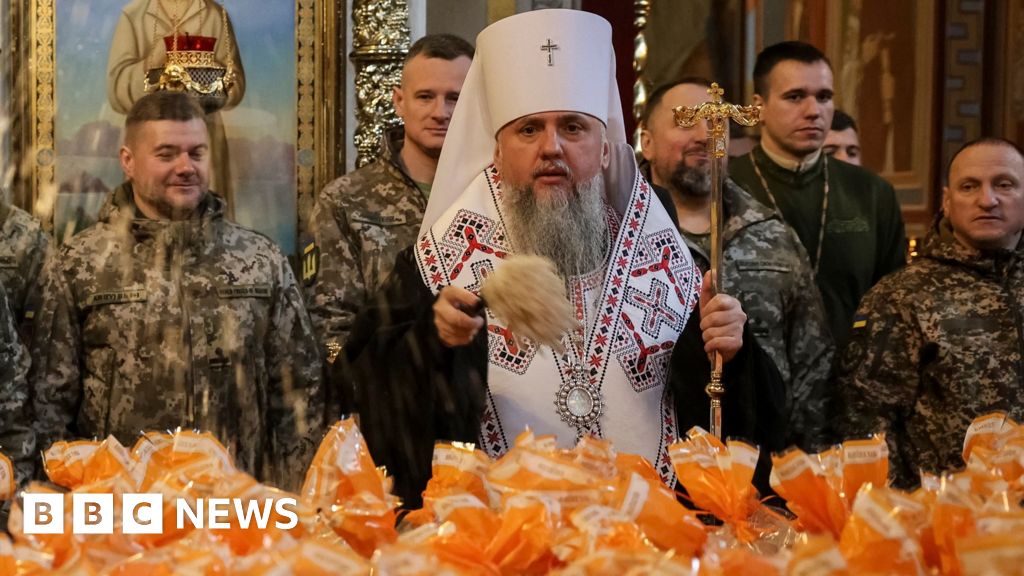
Russia and Ukraine have agreed to a temporary ceasefire over the Orthodox Easter weekend, marking a brief pause in hostilities in the ongoing conflict. Russian President Vladimir Putin announced a 32-hour truce starting at 4 p.m. local time on Saturday, April 11, and lasting through Easter Sunday. This decision follows a proposal from Ukrainian President Volodymyr Zelenskyy, who earlier in the week called for a pause in hostilities to observe the holiday.
Putin stated that Russian troops have been ordered to cease fire "in all directions" during this period, while also being prepared to intercept "possible enemy provocations" and any "aggressive actions." The Kremlin expressed an expectation that Ukraine would "follow the example" of Russia in observing the ceasefire. Dmitry Peskov, Putin's spokesman, emphasized that the ceasefire is temporary and of an "exclusively humanitarian nature."
Zelenskyy, in his call for a truce, suggested that both sides refrain from targeting each other's energy infrastructure over the holiday. He conveyed this proposal through the United States, which has been mediating talks between Moscow and Kyiv. "People need an Easter free from threats and real movement toward peace," Zelenskyy stated. He also noted, "Russia has a chance not to return to strikes after Easter as well."
U.S.-Iran Ceasefire Amid Ongoing Tensions and Leadership Changes
Despite the agreement, skepticism remains regarding the effectiveness of the ceasefire. Ivan, a Ukrainian soldier recovering in hospital, expressed doubt, stating that no agreement with Russia was "worth even the paper it was written on," and called the truce nonsense. Another soldier acknowledged the decision to agree to a ceasefire as "appropriate," but doubted it would be observed by the Russian side. "They have repeatedly proven to us and to the whole world that they are not human," an unnamed soldier commented.
The ceasefire comes amid ongoing violence, with recent reports of civilian casualties. Several people were killed in a drone attack on a bus in Nikopol, and a woman died in Zhytomyr when a missile landed near her home. Additional casualties were reported in the Dnipropetrovsk and Kharkiv regions, while civilians were injured in the Kherson and Zaporizhzhia regions. In the Odesa region, drone attacks caused damage to energy and port infrastructure.
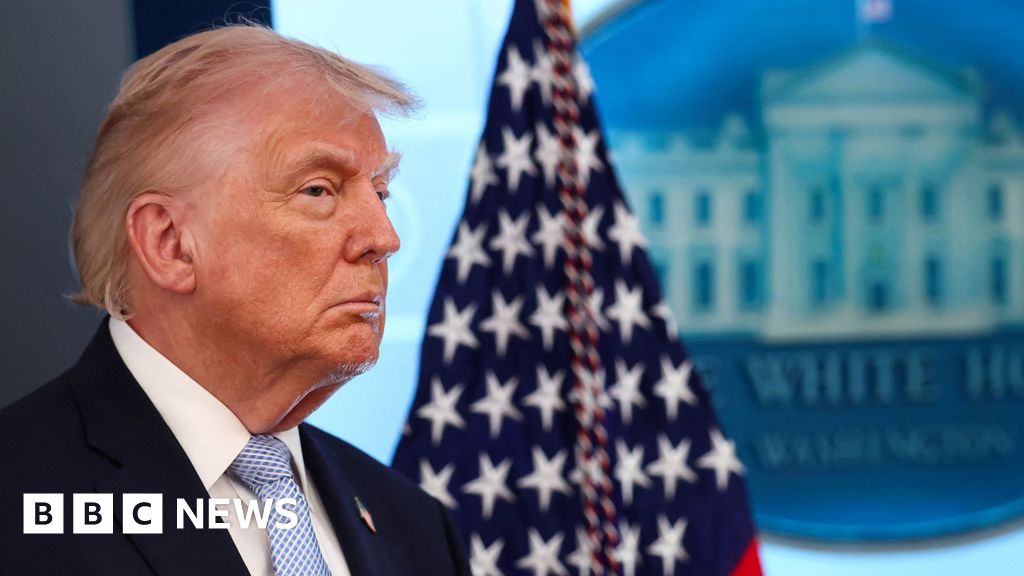
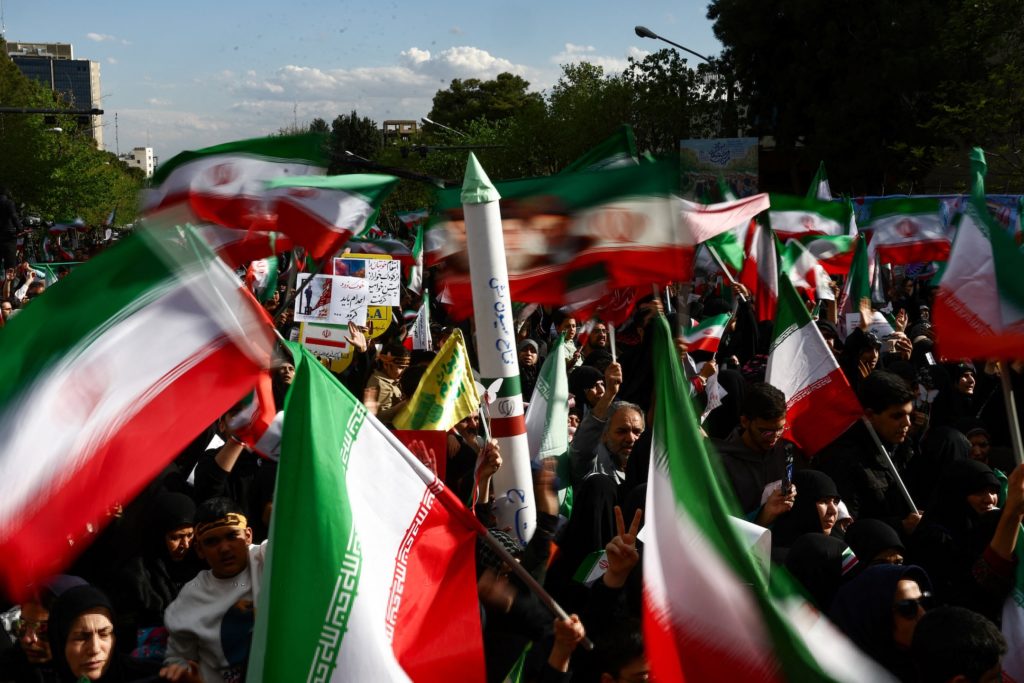
U.S. and Iran Engage in Ceasefire Talks Amid Regional Tensions
This temporary truce follows previous unilateral ceasefires declared by Russia, including a 30-hour ceasefire last Easter and a halt in fighting to mark the 80th anniversary of the Soviet victory over Nazi Germany last May. However, Ukraine recorded hundreds of ceasefire violations during these periods. Earlier this year, Russia claimed an "energy truce," halting strikes on Ukraine's power plants during winter.
The conflict, now in its fifth year, continues along a roughly 1,250-kilometer front line. While Kyiv has proposed a full and stable ceasefire as a first step toward negotiating a lasting end to Russia's invasion, Moscow insists on agreeing to the peace deal first. The U.S.-led talks have made no progress on key issues, and Russia has rejected a 30-day unconditional truce proposed last year by the U.S. and Ukraine.