U.S. and Iran Engage in Ceasefire Talks Amid Regional Tensions
The U.S. and Iran are negotiating a peace agreement, with a temporary ceasefire in place, as regional conflicts continue.
Key Facts
- —U.S. and Iran are negotiating a peace agreement with a temporary ceasefire.
- —Ceasefire contingent on Iran reopening the Strait of Hormuz.
- —Oil prices dropped below $100 per barrel following the ceasefire announcement.
- —Israel continues military operations in Lebanon, targeting Hezbollah.
- —U.S. Vice President JD Vance leads negotiations in Pakistan.
- —Iran demands end to Israeli war in Lebanon as part of the ceasefire.
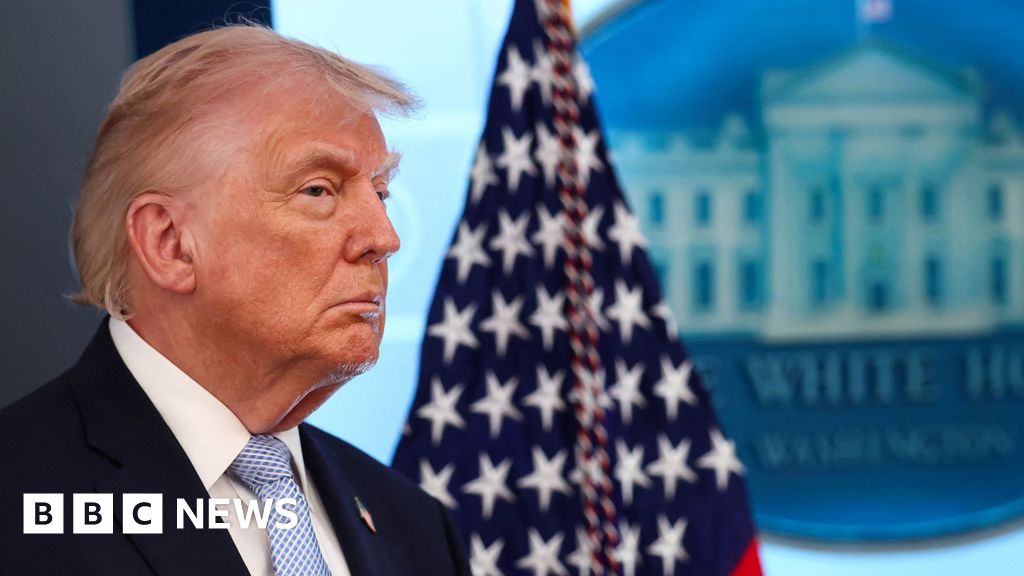
- —President Trump optimistic about reaching a lasting deal.
The United States and Iran are currently engaged in negotiations to establish a peace agreement, following a temporary ceasefire announced by U.S. President Donald Trump. The ceasefire, which began on Tuesday evening, is contingent on Iran suspending hostilities and reopening the Strait of Hormuz to commercial shipping traffic. This development has led to a drop in oil prices, with the cost of a barrel of oil falling below $100 in after-hours trading.
President Trump announced the ceasefire on his social media platform, stating that the U.S. and Iran were "very far along" with a "definitive" peace agreement. He set a deadline of 20:00 EDT for reaching a deal. The ceasefire talks are taking place in Pakistan, with U.S. Vice President JD Vance leading the American delegation. Vance, accompanied by Trump's special envoy Steve Witkoff and Jared Kushner, is tasked with finding a resolution to the six-week-old conflict with Iran.
The negotiations come amid ongoing regional tensions, particularly between Israel and Lebanon. Israel has continued its military operations in Lebanon, targeting Hezbollah, which has resulted in significant casualties and damage. Israeli Prime Minister Benjamin Netanyahu has authorized direct negotiations with Lebanon, aiming for the disarmament of Hezbollah and a sustainable peace agreement. These talks are expected to take place in Washington next week.
U.S.-Iran Ceasefire Amid Ongoing Tensions and Leadership Changes
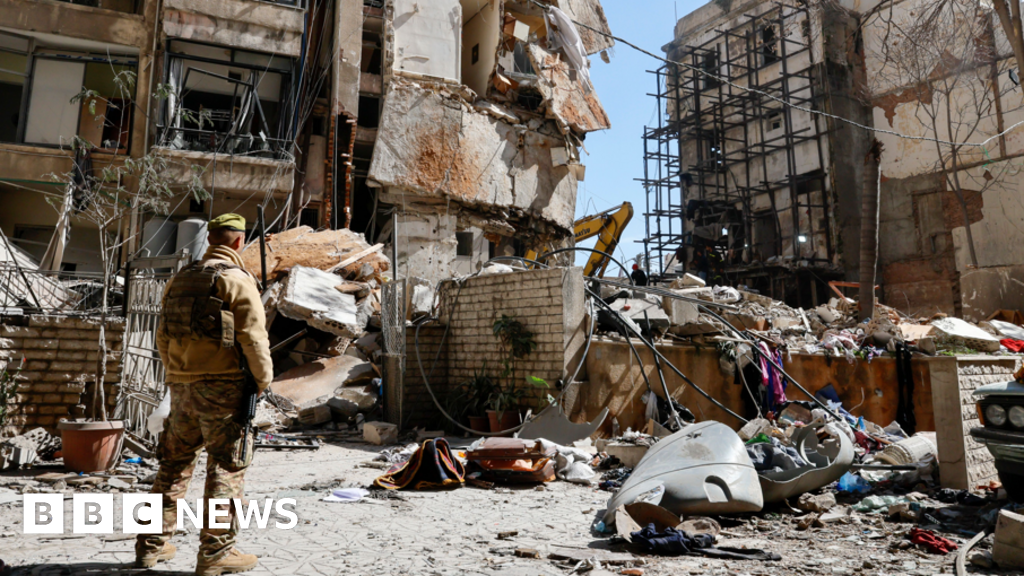
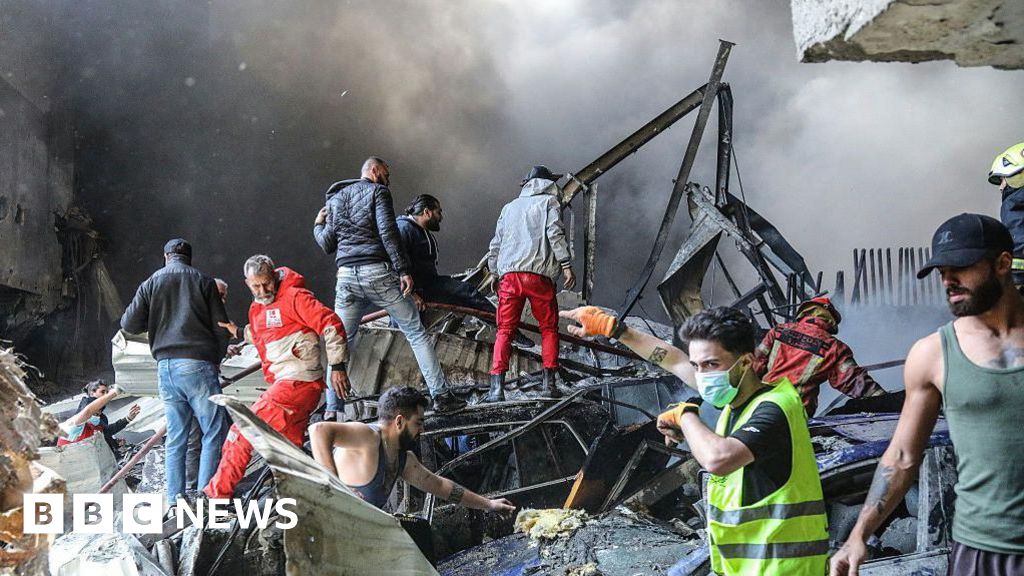
The situation in Lebanon remains dire, with rescue teams working to recover victims from the rubble following Israeli airstrikes. More than 300 people have been killed, and over 1,000 injured in the conflict. Iranian officials have warned of "explicit costs and STRONG responses" if Israeli attacks on Hezbollah continue.
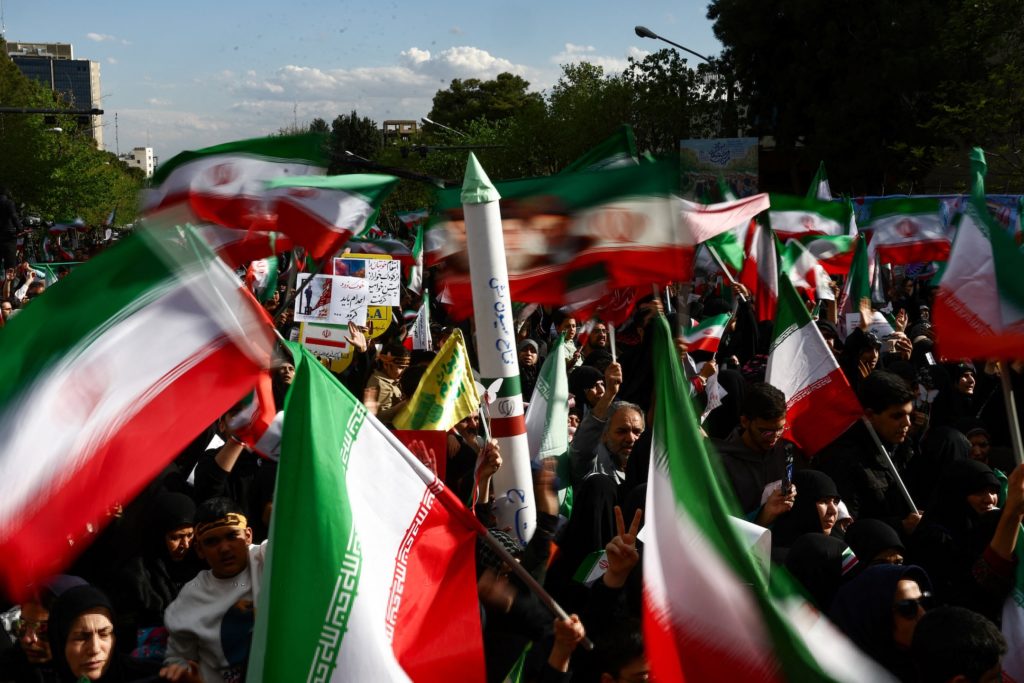
The U.S. and Iran have strong reasons to pursue a halt to the war. Iran has suffered massive damage, with its cities at an economic standstill, while the U.S. faces domestic political pressure. President Trump has declared victory in the war, but the ceasefire remains fragile, with disagreements over its terms. Iran insists that an end to the Israeli war in Lebanon is part of the ceasefire, a point contested by both Trump and Netanyahu.

Russia and Ukraine Agree to Temporary Ceasefire for Orthodox Easter
Vice President Vance has expressed optimism about the negotiations, stating, "If the Iranians are willing to negotiate in good faith, we're certainly willing to extend the open hand." However, he also warned Iran not to "play" the U.S., emphasizing that the negotiating team would not be receptive to insincere efforts.
The reopening of the Strait of Hormuz is a central issue in the negotiations, with President Trump criticizing Iran for not allowing oil tankers to pass through. "That is not the agreement we have!" Trump stated, highlighting the ongoing challenges in reaching a comprehensive deal.
The White House has provided limited details about the format of the talks, but White House spokeswoman Anna Kelly indicated that Trump remains optimistic about achieving a lasting agreement during the two-week ceasefire. The negotiations mark a rare moment of high-level U.S. engagement with the Iranian government, as both sides seek to navigate the complex geopolitical landscape.