U.S.-Iran Ceasefire Amid Ongoing Tensions and Leadership Changes
A ceasefire between the U.S. and Iran follows significant military actions and leadership changes in Iran.
Key Facts
- —U.S.-Iran ceasefire follows military actions and leadership changes.
- —41-day Internet shutdown and massacre in Iran increase tensions.
- —1,700 civilian casualties reported by Human Rights Activists in Iran.
- —U.S. Defence Secretary announces 'capital V military victory'.
- —Trump claims to have obliterated Iran's nuclear capabilities.
- —Israel kills senior Iranian figures, including Ayatollah Ali Khamenei.
- —Mojtaba Khamenei named as successor to Ayatollah Ali Khamenei.
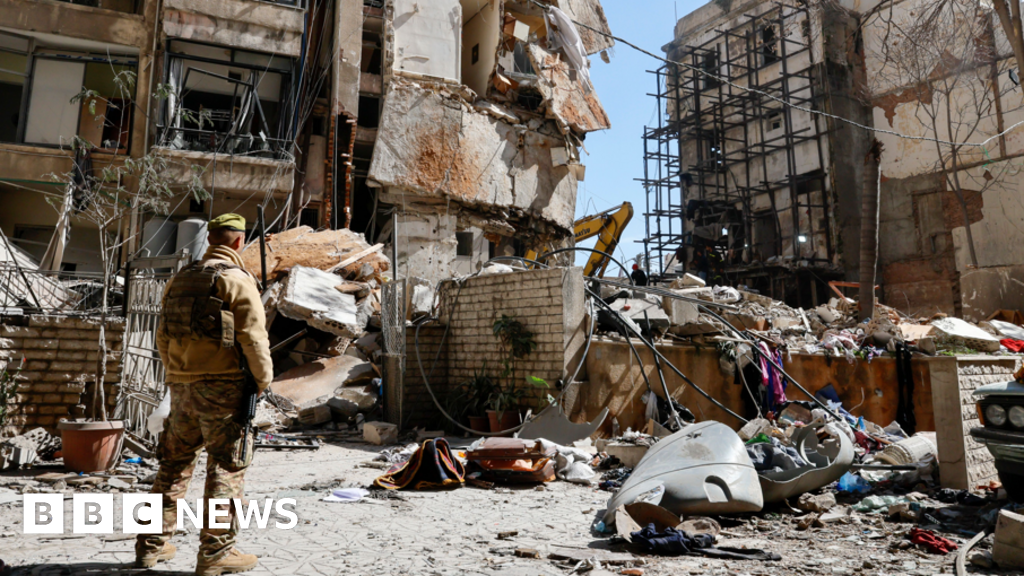
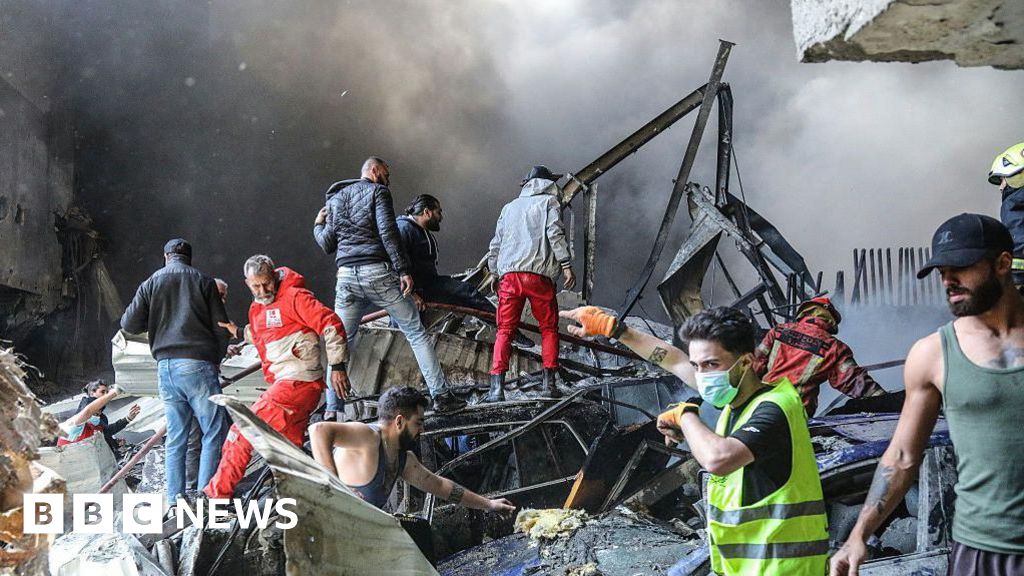
The recent U.S.-Iran ceasefire has drawn attention to ongoing tensions in the Strait of Hormuz and Israel's military actions in Lebanon. The ceasefire comes after a period of intense conflict, marked by significant civilian casualties and leadership changes in Iran.
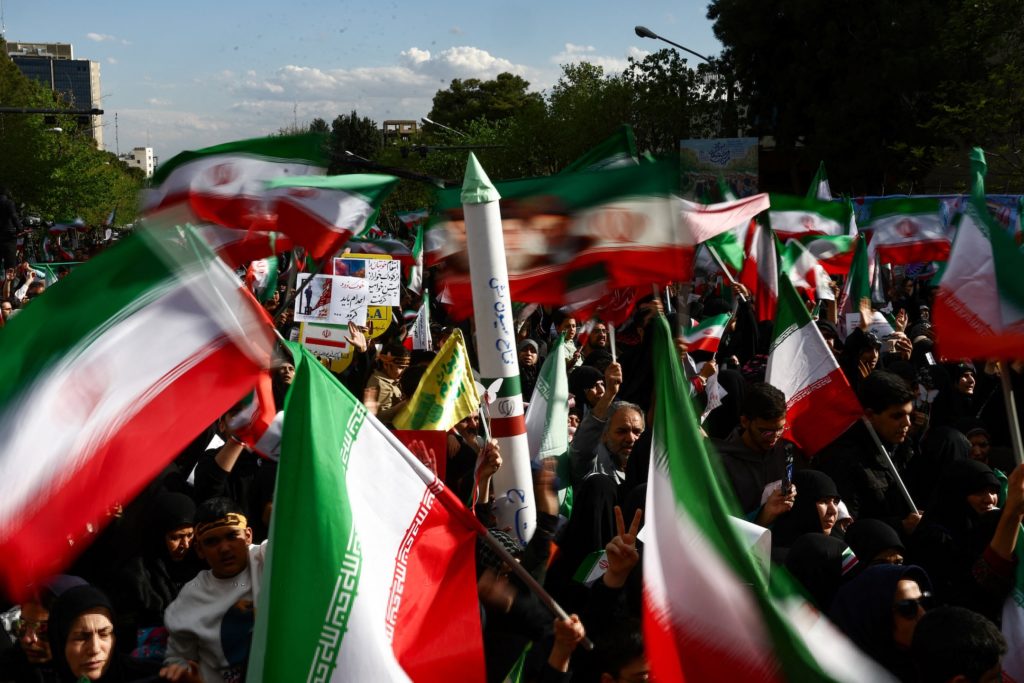
Holly Dagres, a senior fellow at the Washington Institute for Near East Policy and curator of The Iranist newsletter, has been monitoring the developments closely. The situation in Iran has been exacerbated by a 41-day Internet shutdown and an unprecedented massacre in January. The Iranian president has assured citizens that help is on the way, though the ceasefire was established with a regime that some Iranians wish to see ousted.
According to Human Rights Activists in Iran, there have been at least 1,700 civilian casualties. The president of Iran expressed a grim outlook, stating, "A whole civilization will die tonight, never to be brought back again, I don't want that to happen, but it probably will," though the White House has dismissed this threat as unlikely to become reality. In response to the uncertainty, many Iranians have fled Tehran, stocking up on essential supplies, while others stayed up late to monitor the situation.
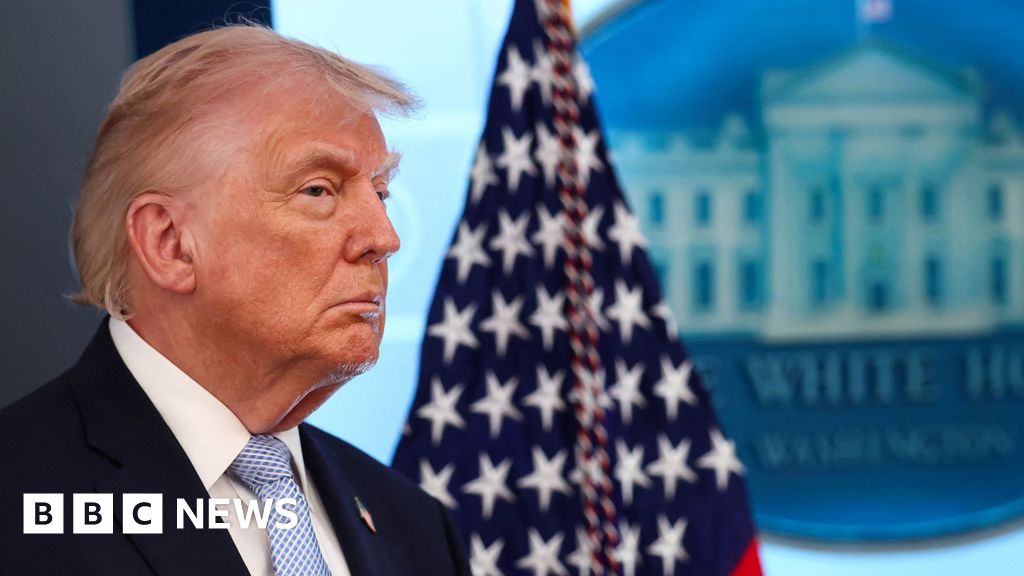
U.S. and Iran Engage in Ceasefire Talks Amid Regional Tensions
On April 8, 2026, U.S. Defence Secretary Pete Hegseth announced a "capital V military victory," highlighting the extensive military actions taken by the U.S. He noted that the U.S. had delivered "death and destruction from the sky all day long." President Trump's primary objective in the conflict was to prevent Iran from developing a nuclear weapon, a goal he claims to have achieved through bombing raids on key nuclear sites such as Isfahan, Fordow, and Natantz.
In his first term, Trump withdrew from the 2015 global nuclear deal with Iran, reinstating sanctions. Despite these actions, Rafael Grossi, head of the International Atomic Energy Agency (IAEA), has stated that there is no military solution to Iran's nuclear ambitions. Trump has indicated that the U.S. will now collaborate with Iran to "dig up and remove all of the deeply buried… Nuclear Dust."
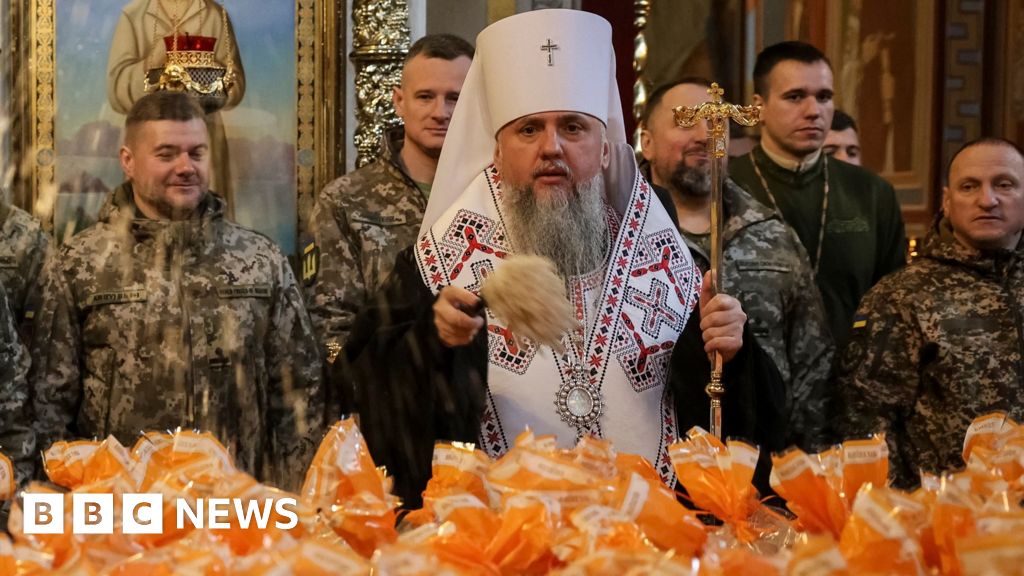
Russia and Ukraine Agree to Temporary Ceasefire for Orthodox Easter
The conflict has also led to significant changes in Iran's leadership. Israel has reportedly killed senior figures, including the Supreme Leader Ayatollah Ali Khamenei. His successor, Mojtaba Khamenei, has been named, with Trump describing the new leadership as less "radicalised and far more intelligent" than their predecessors.
Tehran remains defiant on the nuclear issue, and Trump's objectives have included regime change and the regime's "unconditional surrender." The announcement of the war was made by Trump in a social media video from his Mar-a-Lago estate.
The situation remains complex, with ongoing tensions and a fragile ceasefire in place. The international community continues to watch closely as these developments unfold.